Hey there! As a supplier of facial exfoliators, I often get asked this burning question: “Can facial exfoliators be used on dry skin?” Well, let’s dive right into it and find out the answer. Facial Exfoliators
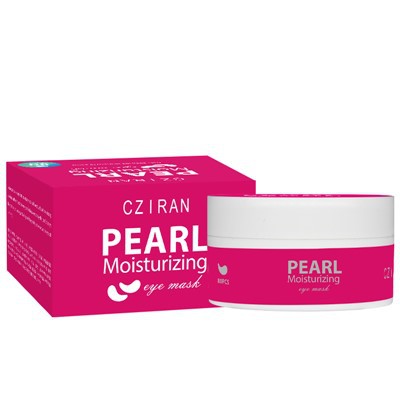
To start off, we need to understand what dry skin actually is. Dry skin lacks moisture and natural oils. It can feel tight, itchy, and sometimes even look flaky. The outermost layer of our skin, the stratum corneum, is supposed to act as a barrier. But in people with dry skin, this barrier is often compromised, leading to water loss.
Now, let’s talk about facial exfoliators. These are products designed to remove dead skin cells from the surface of the skin. There are two main types: physical and chemical exfoliators.
Physical exfoliators contain small particles, like beads or grains, that physically scrub away dead skin cells when you rub them on your skin. Chemical exfoliators, on the other hand, use acids such as salicylic acid, glycolic acid, or lactic acid to dissolve those dead skin cells.
So, back to our main question. Can facial exfoliators be used on dry skin? The short answer is yes, but with some important considerations.
When it comes to physical exfoliators, it’s super crucial to be careful. The abrasive particles can be too harsh for dry skin if used incorrectly. If your skin is really dry and sensitive, using a physical exfoliator with large or rough particles can cause micro – tears in the skin, further damaging the already weakened skin barrier. This can lead to more water loss, redness, and irritation. However, if you opt for a gentle physical exfoliator with very fine particles, you might be able to use it occasionally. For example, a facial scrub with finely milled rice powder can be a good choice. You should limit the use of physical exfoliators on dry skin to once every two weeks or even less frequently.
Chemical exfoliators can also be used on dry skin, but again, we need to be cautious. Some acids, like salicylic acid, are oil – soluble and are better suited for oily or combination skin because they can penetrate deep into the pores. For dry skin, lactic acid and glycolic acid are usually better options. Lactic acid is known for its hydrating properties. It can break down the bonds between dead skin cells and at the same time help retain moisture in the skin. Glycolic acid is a smaller molecule, so it can penetrate the skin more easily and effectively remove dead skin cells.
When using a chemical exfoliator on dry skin, start with a low concentration. If you go straight for a high – strength acid, it can be too much for your skin to handle and cause irritation. A good starting point is a 5 – 10% glycolic acid or lactic acid product. And just like with physical exfoliators, don’t over – do it. Using a chemical exfoliator once or twice a week is usually sufficient.
Another important aspect is the after – care. After exfoliating dry skin, it’s essential to follow up with a good moisturizer. Exfoliation can strip away some of the skin’s natural oils, so you need to replenish the moisture. Look for a moisturizer that contains ingredients like hyaluronic acid, shea butter, or ceramides. Hyaluronic acid can hold a large amount of water, keeping your skin plump and hydrated. Shea butter is a natural emollient that can soothe and moisturize dry skin. Ceramides help repair the skin barrier, preventing further moisture loss.
Let me share a little bit of my own experience with customers. I had this one client who had extremely dry and sensitive skin. She was hesitant to try any exfoliator because she was afraid of making her skin worse. But I recommended a very gentle lactic acid – based exfoliating lotion. We started with using it once a week at a very low concentration. Over time, her skin started to look brighter and the flakiness reduced significantly. Of course, she made sure to follow up with a rich moisturizer every time.
It’s also important to note that everyone’s skin is different. Just because something works for one person with dry skin doesn’t mean it will work for another. You may need to do a patch test first. Apply a small amount of the exfoliator on a discreet area of your skin, like behind your ear, and wait 24 – 48 hours. If there’s no redness, itching, or irritation, then it’s likely safe to use on your face.
Now, as a facial exfoliator supplier, I have a wide range of products that are suitable for dry skin. We’ve carefully formulated our exfoliators to be gentle yet effective. Whether you prefer a physical or a chemical exfoliator, we have options for you. Our products are made with high – quality ingredients that are not only great for exfoliating but also for nourishing and hydrating dry skin.
If you’re struggling with dry skin and are looking for a good exfoliator, don’t hesitate to reach out. We can have a chat about your specific skin concerns and help you find the perfect product. Whether you’re a retailer looking to stock up on our products or an individual consumer, we’re here to assist you.
In conclusion, facial exfoliators can be used on dry skin, but you have to be smart about it. Choose the right type of exfoliator, use it in moderation, and take good care of your skin afterwards. With the right approach, you can enjoy the benefits of exfoliation without harming your dry skin.
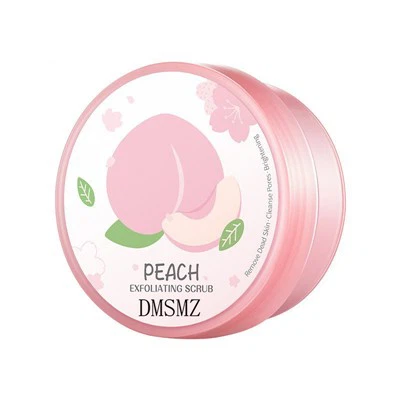
If you have any questions or want to discuss more about facial exfoliators for dry skin, just contact me. We can explore the best options for your skin together and start a great purchasing and skincare journey!
Facial Skincare References:
- “The Skin Type Solution” by Leslie Baumann, MD
- Journal of Cosmetic Dermatology articles on skin exfoliation and dry skin care
Guangdong Daimeishi Biotechnology Co., Ltd.
Address: Room 304, Building 3, Quantum Creation Space, No. 4, Industrial 2nd Road, Jiahewanggang, Baiyun District, Guangzhou
E-mail: 371190615@qq.com
WebSite: https://www.zgdms.com/
