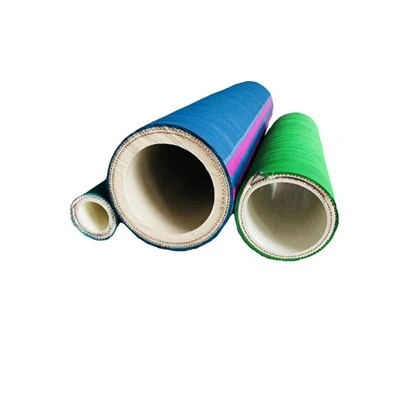
As a seasoned supplier of silicone fluorine oil cooler coolant hoses, I’ve witnessed firsthand the profound impact that hose hardness can have on its properties. In this blog post, I’ll delve into the intricate relationship between the hardness of these hoses and their various characteristics, drawing on my years of industry experience and in – depth knowledge. Silicone Flourine Oil Cooler Coolant Hose
How Hardness is Measured
Hardness in silicone fluorine hoses is typically measured using the Shore durometer scale. The Shore scale provides a standardized way to quantify the resistance of a material to indentation. For silicone fluorine oil cooler coolant hoses, we commonly use the Shore A scale, which is suitable for softer elastomeric materials. A lower Shore A value indicates a softer hose, while a higher value represents a harder one.
Impact on Flexibility
One of the most noticeable effects of hose hardness is on its flexibility. Softer hoses, with a lower Shore A rating, are inherently more flexible. This flexibility can be a significant advantage in applications where the hose needs to be bent around tight corners or routed through complex machinery. When installing a coolant hose in a compact engine compartment, a softer hose can be easily maneuvered into place without the risk of kinking or cracking.
On the other hand, harder hoses have limited flexibility. While they may be less prone to accidental deformation, their stiffness can make installation more challenging. In some cases, the lack of flexibility can also lead to increased stress on the hose connections, potentially causing leaks over time. However, in applications where the hose path is relatively straight and there are few bends, a harder hose may be a suitable choice as it can maintain its shape better.
Resistance to Abrasion
Hardness also plays a crucial role in a hose’s resistance to abrasion. Harder silicone fluorine hoses generally offer better abrasion resistance. In environments where the hose is likely to come into contact with rough surfaces or moving parts, a harder hose can withstand the wear and tear better than a softer one. For example, in industrial settings where hoses may rub against metal frames or other equipment, a harder hose will have a longer service life before showing signs of wear.
Softer hoses, being more pliable, are more susceptible to abrasion, especially when they are constantly subjected to friction. However, softer hoses can sometimes conform better to irregular surfaces, which may reduce the contact pressure and, in some cases, the potential for abrasion. But overall, when abrasion is a concern, a harder hose is often the preferred option.
Pressure Resistance
The pressure resistance of a silicone fluorine oil cooler coolant hose is tightly linked to its hardness. Harder hoses are generally better at withstanding high pressures. The stiffer material structure of a harder hose can better resist the internal forces exerted by the coolant flowing through it. This makes them ideal for high – pressure applications, such as those found in heavy – duty engines or industrial cooling systems.
Conversely, softer hoses may be more prone to bulging or bursting under high pressure. The lack of structural rigidity in a softer hose means that it can deform more easily when subjected to significant pressure. However, in low – pressure applications, softer hoses can still function effectively, and their flexibility may even be an advantage in compensating for slight pressure fluctuations.
Chemical Compatibility
Silicone fluorine hoses are often used in applications where they come into contact with various chemicals, including coolants and lubricants. The hardness of the hose can influence its chemical compatibility. While silicone fluorine materials are generally resistant to a wide range of chemicals, harder hoses may have a more stable molecular structure, which can enhance their resistance to chemical attack.
In some cases, a softer hose may absorb certain chemicals more readily, which could lead to swelling, degradation, or loss of mechanical properties. However, the specific chemical environment and the type of silicone fluorine formulation used also play important roles. It’s essential to conduct thorough chemical compatibility testing when selecting a hose based on hardness and the expected chemical exposure.
Temperature Resistance
Temperature is another critical factor in the performance of silicone fluorine oil cooler coolant hoses, and hardness can impact how a hose responds to temperature changes. Harder hoses tend to maintain their shape and mechanical properties better at high temperatures. The more rigid material structure is less likely to soften or deform under extreme heat, which is crucial in applications where the coolant can reach high temperatures, such as in automotive engines.
At low temperatures, harder hoses may become even stiffer and more brittle, increasing the risk of cracking. Softer hoses, on the other hand, generally remain more flexible at low temperatures, but they may also experience a greater reduction in their pressure – resistance capabilities. Striking the right balance between hardness and temperature resistance is essential for ensuring reliable performance across a wide range of operating conditions.
Impact on Sealing Properties
The hardness of a hose can also affect its sealing properties at the connection points. A softer hose can conform better to the mating surfaces of fittings, creating a more effective seal. The pliability of a softer hose allows it to fill in any small irregularities in the fitting, reducing the likelihood of leaks.
However, a harder hose may require more precise installation and properly designed fittings to ensure a good seal. While a harder hose can provide a more rigid seal once installed correctly, the installation process needs to be carefully executed to avoid sealing failures.
Making the Right Choice
As a supplier, I understand that choosing the right hardness for a silicone fluorine oil cooler coolant hose is a critical decision that depends on multiple factors. When consulting with customers, I consider the application requirements, such as the level of flexibility needed, the expected pressure and temperature ranges, the potential for chemical exposure, and the abrasion environment.
For applications that demand high flexibility and are in low – pressure environments, a softer hose may be the best choice. On the other hand, if the hose needs to withstand high pressures, abrasion, and high temperatures, a harder hose is usually more appropriate.
Conclusion
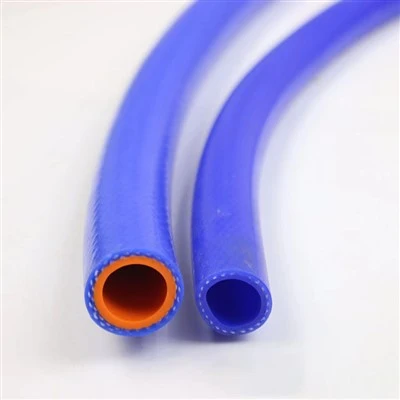
In conclusion, the hardness of a silicone fluorine oil cooler coolant hose has a far – reaching impact on its properties, including flexibility, abrasion resistance, pressure resistance, chemical compatibility, temperature resistance, and sealing properties. As a supplier, I am committed to providing customers with the best – suited hoses for their specific needs.
Rubber Hose If you are in the market for silicone fluorine oil cooler coolant hoses and want to learn more about how hardness can affect their performance in your application, please feel free to reach out to me. We can engage in a detailed discussion to determine the optimal hose solution for your requirements. I’m here to assist you in making the most informed decision and ensuring the reliable operation of your cooling systems.
References
- Gum, R. D., Mullins, D. J., & Smith, A. N. (2001). Siloxane Polymers. In Encyclopedia of Polymer Science and Technology. John Wiley & Sons, Inc.
- Harper, C. A. (Ed.). (2002). Handbook of Plastics, Elastomers, and Composites. McGraw – Hill.
- Patnaik, P. (1999). Handbook of Inorganic Chemicals. McGraw – Hill.
Ningbo Haidu Auto Parts Co., Ltd.
As one of the most professional silicone flourine oil cooler coolant hose manufacturers and suppliers in China, we’re featured by cheap products and good service. Please rest assured to buy durable silicone flourine oil cooler coolant hose at competitive price from our factory. Also, OEM service is available.
Address:
E-mail: Sale6@sterlingautoparts.com
WebSite: https://www.cnsiliconehose.com/
