When it comes to packaging meat products, one of the decisions that food producers often grapple with is the choice of packaging material. As a supplier of printed food bags, I’m frequently asked if our printed food bags are suitable for meat products. This blog post aims to delve into this question comprehensively, examining the various factors involved and providing evidence – based insights. Printed Food Bags
The Nutritional and Microbiological Characteristics of Meat Products
First and foremost, we need to understand the unique nature of meat products. Meat is a highly perishable food item. It is rich in proteins, vitamins, and minerals, which make it an ideal medium for the growth of microorganisms such as bacteria, yeasts, and molds. The high moisture content in fresh meat further accelerates the spoilage process. If meat is not stored and packaged properly, it can quickly develop off – odors, slime, and discoloration, rendering it unfit for consumption.
In addition, meat often contains enzymes. These enzymes are responsible for the natural aging and tenderizing process of meat. However, under inappropriate conditions, these enzymes can also cause the breakdown of proteins and fats in the meat, leading to changes in texture and flavor. Different types of meat, such as beef, pork, chicken, and lamb, also have different fat contents, pH levels, and water – holding capacities, all of which influence the choice of packaging.
Requirements for Meat Packaging
Based on the characteristics of meat products, the packaging for meat must meet several crucial requirements.
Oxygen Barrier: Oxygen is one of the main culprits in meat spoilage. Exposure to oxygen can cause the oxidation of myoglobin in meat, leading to color changes. For red meat, the bright red color, which is highly desirable to consumers, can turn brown due to oxidation. Moreover, oxygen supports the growth of aerobic bacteria. High – quality meat packaging should have a good oxygen barrier to extend the shelf – life of meat and maintain its visual appeal.
Moisture Resistance: As mentioned earlier, meat has a high moisture content. The packaging should prevent the loss of moisture from the meat, which can result in shrinkage, dryness, and a loss of juiciness. At the same time, it should also prevent the condensation of moisture on the inside of the package, as excess moisture can create a favorable environment for the growth of microorganisms.
Microbial Protection: The packaging must act as a physical barrier to protect the meat from external contaminants such as dust, dirt, and bacteria. It should be made of materials that are resistant to punctures and tears to ensure the integrity of the package during handling, storage, and transportation.
Food Safety: The materials used in the packaging should be non – toxic and comply with food safety regulations. They should not leach any harmful substances into the meat, which could pose a risk to consumers’ health.
Suitability of Printed Food Bags for Meat Products
Now let’s discuss whether our printed food bags can meet these requirements.
Material Selection
We use a variety of materials in our printed food bags, and some of them are highly suitable for meat products. For example, polyethylene (PE) is a commonly used material. It has good moisture – resistance properties, which helps to keep the meat moist and prevents dehydration. Low – density polyethylene (LDPE) is flexible and can conform well to the shape of the meat, providing a snug fit. High – density polyethylene (HDPE) is more rigid and offers better puncture resistance.
Another material we use is polypropylene (PP). PP has excellent chemical resistance and is relatively heat – stable. It can withstand the temperatures used in some meat processing and storage conditions. It also has a good oxygen barrier when combined with other layers in a multi – layer film structure.
Printing Technology
Our printing technology is designed to ensure food safety. We use food – grade inks that are specifically formulated to meet strict safety standards. These inks do not contain heavy metals or other harmful substances that could migrate into the meat. The printing process is carefully controlled to ensure that the ink adheres firmly to the surface of the bag and does not come into direct contact with the meat.
Customizable Barrier Properties
We understand that different meat products have different packaging requirements. That’s why our printed food bags can be customized in terms of their barrier properties. For example, for high – value cuts of red meat that need to maintain their bright red color for a longer time, we can provide bags with a high – performance oxygen barrier. These bags are often made with a multi – layer structure, which may include an ethylene vinyl alcohol (EVOH) layer, known for its excellent oxygen – blocking capabilities.
Design Considerations
Our printed food bags are designed with practicality in mind. They can be equipped with features such as resealable zippers or easy – tear notches. Resealable zippers are particularly useful for consumers who may not consume the entire package of meat at once. They allow the meat to be stored in the refrigerator while keeping it protected from air and moisture. The easy – tear notches make it convenient for both consumers and food producers to open the bags without the need for additional tools.
Advantages of Using Our Printed Food Bags for Meat
Brand Promotion: The ability to print on the bags is a significant advantage for meat producers. They can use the bags as a marketing tool to display their brand logo, product information, and nutritional facts. This helps to increase brand visibility and consumer recognition.
Convenience: Our bags are easy to use and handle. They can be quickly filled with meat products on the production line, and their lightweight nature reduces transportation costs.
Sustainability: We also offer eco – friendly options for our printed food bags. For example, we have biodegradable and compostable bags made from plant – based materials. These bags are a great choice for meat producers who are looking to reduce their environmental impact.
Limitations and Considerations
While our printed food bags have many advantages, there are also some limitations and considerations.
Cost: High – performance bags with advanced barrier properties and specialized printing can be more expensive. Meat producers need to balance the cost of packaging with the value of their products.
Compatibility with Different Packaging Methods: Some meat products are packaged using specific methods such as vacuum – packaging or modified atmosphere packaging (MAP). Our bags need to be compatible with these methods. For example, for vacuum – packaging, the bags should be able to withstand the high – pressure environment without losing their integrity.
Conclusion
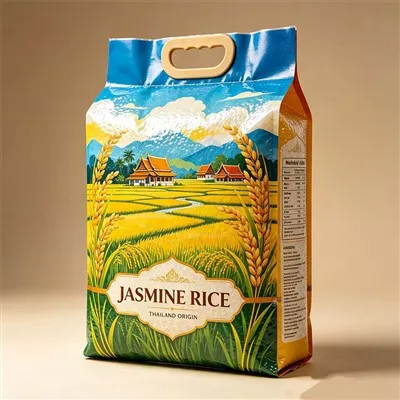
In conclusion, our printed food bags are indeed suitable for meat products. Through careful material selection, advanced printing technology, and customizable design, we can provide packaging solutions that meet the unique requirements of meat products. Our bags offer not only protection and preservation but also opportunities for brand promotion and convenience.
Construction Waste Bags If you are a meat producer or involved in the meat industry, and you are interested in exploring the use of our printed food bags for your products, we would love to have a conversation with you. Contact us to start a discussion about your specific packaging needs, and we can work together to find the best solution for your business.
References
- "Meat Science and Muscle Biology." American Meat Science Association, The University of Georgia, 2019.
- "Food Packaging Technology: Principles and Practice" by Mark R. Okos, et al., 2nd Edition, CRC Press, 2016.
- "Materials for Food Packaging" by Marcelo A. Jiménez, Woodhead Publishing, 2017.
Liaoning Xunlian Packaging Products Co., Ltd.
Liaoning Xunlian Packaging Products Co., Ltd. is one of the most professional printed food bags manufacturers and suppliers in China, featured by quality products and good service. Welcome to wholesale CE approved printed food bags made in China here and get quotation from our factory. Customized orders are welcome.
Address: Chaoyang Industrial Park, Kangping, Shenyang, Liaoning, China.
E-mail: info@xunlianpack.com
WebSite: https://www.xunlianpack.com/
