Hey there! I’m a supplier of tank heads, and I’ve been dealing with these nifty components for quite some time. One of the most common questions I get from my customers is about the differences between domestic and international tank head standards. So, I thought I’d sit down and share some of my insights on this topic. Tank Heads
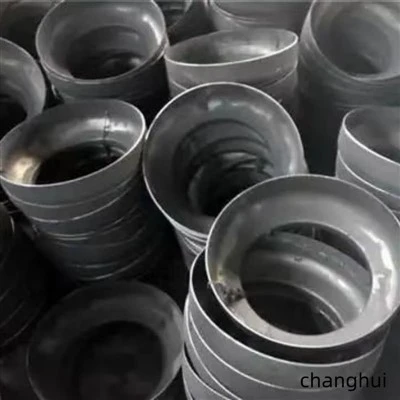
Let’s start by understanding what tank heads are. Tank heads are the rounded or dished ends that are welded onto the cylindrical body of a tank. They play a crucial role in the overall integrity and performance of the tank, as they need to withstand the internal pressure and any external forces. Standards for tank heads are put in place to ensure that they are designed, manufactured, and tested to meet certain quality and safety requirements.
Domestic Tank Head Standards
In the domestic market, the standards can vary from country to country. In the United States, for example, the American Society of Mechanical Engineers (ASME) has a set of comprehensive standards for pressure vessels, which includes tank heads. These standards cover everything from the design and materials to the fabrication and inspection processes.
One of the key features of ASME standards is their focus on safety. The requirements are based on extensive research and testing to ensure that the tank heads can handle the expected pressures and operating conditions without failing. For instance, ASME specifies the minimum thickness of the tank head based on the diameter of the tank, the pressure it will be subjected to, and the type of material used.
Another important aspect of domestic standards is the emphasis on traceability. Manufacturers are required to keep detailed records of the materials used, the manufacturing processes, and the inspection results. This allows for easy identification and tracking of any issues that may arise during the life of the tank.
However, domestic standards can sometimes be a bit rigid. They are often tailored to the specific needs and regulations of the country, which may not always align with international practices. This can create challenges for companies that want to export their tank heads or work on international projects.
International Tank Head Standards
On the international front, there are several organizations that develop and promote standards for tank heads. One of the most well – known is the International Organization for Standardization (ISO). ISO standards are designed to be more flexible and adaptable, making them suitable for a wide range of markets and applications.
ISO standards focus on harmonizing the requirements across different countries. This means that a tank head manufactured to ISO standards should be acceptable in multiple markets without the need for significant modifications. For example, ISO 9001 sets out the criteria for a quality management system, which ensures that the manufacturing process is consistent and reliable.
Another advantage of international standards is their ability to take into account different manufacturing techniques and materials. They are less prescriptive than some domestic standards, allowing manufacturers more freedom to innovate and use the most appropriate methods and materials for the job.
However, international standards also have their drawbacks. Since they are more general in nature, they may not provide as detailed guidance as some domestic standards. This can lead to variations in the interpretation and implementation of the standards, which may cause confusion for both manufacturers and end – users.
Key Differences in Design
When it comes to design, domestic and international standards can have some significant differences. Domestic standards, like ASME, often have very specific formulas and rules for calculating the thickness and shape of the tank head. These calculations are based on a combination of theoretical models and experimental data to ensure that the tank head can withstand the expected loads.
On the other hand, international standards like ISO may give more leeway in the design process. They may allow for the use of alternative design methods as long as they can be demonstrated to meet the overall safety and performance requirements. This can be beneficial for manufacturers who want to explore new design concepts and optimize the use of materials.
Material Requirements
Material requirements are another area where the differences become apparent. Domestic standards usually have a list of approved materials that can be used for tank heads. These materials are carefully selected based on their mechanical properties, corrosion resistance, and availability in the domestic market.
International standards, while also specifying certain material properties, are more open to the use of a wider range of materials. This is because they need to accommodate different manufacturing capabilities and material sources around the world. For example, ISO may allow for the use of some non – traditional materials if they can be shown to have equivalent performance to the approved materials.
Manufacturing and Inspection
In terms of manufacturing and inspection, domestic standards often have very strict procedures. For example, ASME requires a high level of documentation and traceability for all manufacturing steps. Every weld, for instance, must be inspected and documented to ensure that it meets the specified quality standards.
International standards also have inspection requirements, but they may be less detailed or more focused on the final outcome. Instead of prescribing every step of the manufacturing process, ISO may focus on ensuring that the finished tank head meets certain performance criteria. This can make the manufacturing process a bit more flexible, but it also requires manufacturers to have a good understanding of how to achieve the desired results.
Compliance and Certification
Compliance with domestic and international standards is crucial for manufacturers. In the domestic market, compliance with local standards is often a legal requirement. For example, in the United States, tanks used in industrial applications must meet ASME standards to be commercially viable. Manufacturers are also required to obtain the appropriate certifications, which involve inspections by authorized third – party agencies.
Internationally, compliance with ISO standards can enhance a company’s reputation and open up new markets. However, the process of obtaining ISO certification can be lengthy and complex. It requires a commitment to implementing a quality management system and demonstrating that the manufacturing processes meet the standard’s requirements.
So, Which is Better?
The answer to whether domestic or international standards are better really depends on your specific needs. If you are mainly operating in the domestic market, complying with domestic standards is a no – brainer. It ensures that your products are legal and meet the expectations of local customers.
However, if you are looking to expand your business globally, then adhering to international standards can give you a competitive edge. It allows you to enter multiple markets with a single set of products, reducing the need for costly modifications and certifications.
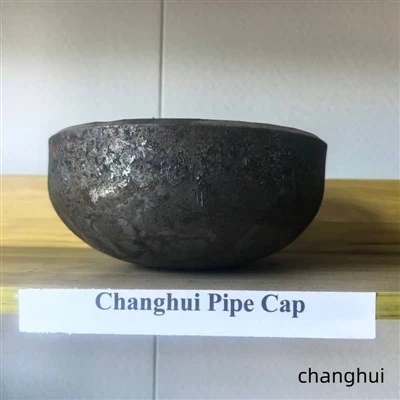
As a tank head supplier, I’ve seen firsthand the challenges and opportunities that come with both domestic and international standards. I often work with customers to help them understand which standards are most appropriate for their projects and ensure that our tank heads meet the required specifications.
Get in Touch for Your Tank Head Needs
Tank Heads If you’re in the market for high – quality tank heads and have questions about standards or any other aspect of our products, I’d love to chat. Whether you need tank heads that comply with domestic standards for a local project or international standards for a global venture, we’ve got you covered. Don’t hesitate to reach out, and let’s start a conversation about how we can meet your tank head requirements.
References
- American Society of Mechanical Engineers (ASME) Boiler and Pressure Vessel Code
- International Organization for Standardization (ISO) standards related to pressure vessels and manufacturing quality management
Cangzhou Changhui Head Manufacturing Co., Ltd.
We are one of the most professional tank heads manufacturers and suppliers in China, featured by quality products and good price. Please rest assured to wholesale durable tank heads for sale here from our factory. Welcome to view our website for more information.
Address: South Industrial Zone, Yanshan County, Cangzhou City, Hebei Province, China.
E-mail: chunle.zhang@changhuitankhead.com
WebSite: https://www.changhuitankhead.com/
