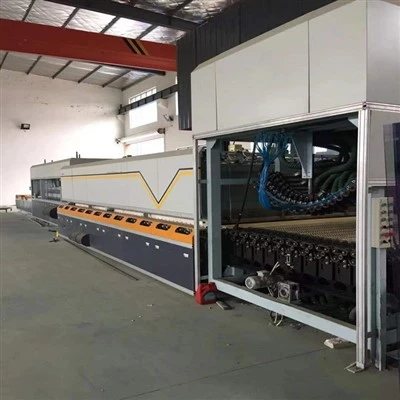
Cleaning a glass tempering furnace is a meticulous and crucial process that directly impacts the quality of tempered glass production and the longevity of the equipment. As a seasoned glass tempering furnace supplier, I understand the significance of proper maintenance and cleaning. In this blog, I will outline the essential steps to clean a glass tempering furnace effectively. Glass Tempering Furnace
Step 1: Preparation
Before initiating the cleaning process, it is imperative to take all necessary safety precautions. Ensure that the furnace is completely shut down and has cooled down to room temperature. This prevents the risk of burns and other safety hazards. Gather all the required cleaning tools and materials, including heat – resistant gloves, safety goggles, a vacuum cleaner with a suitable attachment, soft – bristle brushes, non – abrasive cleaning agents, and clean, lint – free cloths.
It is also a good practice to have a detailed inspection of the furnace before cleaning. Check for any visible signs of damage, such as cracks in the heating elements, loose connections, or worn – out parts. Identifying these issues early can help in timely repairs and prevent further damage during the cleaning process.
Step 2: Removing Loose Debris
The first physical step in cleaning the glass tempering furnace is to remove any loose debris. Start by using the vacuum cleaner to suck up dust, glass fragments, and other loose particles from the interior of the furnace. Pay special attention to the corners, edges, and the bottom of the furnace, as these areas tend to accumulate the most debris.
Use a soft – bristle brush to gently dislodge any stubborn debris that the vacuum cleaner may have missed. Be careful not to scratch the interior surfaces of the furnace while brushing. For hard – to – reach areas, you can use an extended brush attachment or a long – handled brush.
Step 3: Cleaning the Heating Elements
The heating elements are one of the most critical components of a glass tempering furnace. Over time, they can accumulate dirt, glass residues, and other contaminants, which can affect their heating efficiency. To clean the heating elements, first, make sure they are completely cool.
Use a non – abrasive cleaning agent specifically designed for high – temperature surfaces. Apply the cleaning agent to a clean, lint – free cloth and gently wipe the heating elements. Avoid using excessive force or abrasive materials, as this can damage the heating elements. If there are stubborn stains or residues, you can let the cleaning agent soak for a few minutes before gently scrubbing with the soft – bristle brush.
Step 4: Cleaning the Conveyor Rollers
The conveyor rollers are responsible for transporting the glass through the furnace. They can accumulate glass dust, oil, and other contaminants, which can affect the smooth movement of the glass and the quality of the tempered glass.
Start by removing the conveyor rollers from the furnace according to the manufacturer’s instructions. Use a degreasing agent to clean the rollers thoroughly. Soak the rollers in the degreasing solution for a period of time to loosen the grease and dirt. Then, use a soft – bristle brush to scrub the rollers gently, making sure to clean the entire surface, including the grooves.
Rinse the rollers with clean water to remove the degreasing agent and any remaining dirt. Dry the rollers completely with a clean, lint – free cloth before reinstalling them in the furnace.
Step 5: Cleaning the Furnace Interior Walls
The interior walls of the glass tempering furnace can also accumulate dirt, glass residues, and other contaminants. Use a non – abrasive cleaning agent to clean the interior walls. Apply the cleaning agent to a clean, lint – free cloth and wipe the walls gently.
For stubborn stains or residues, you can use a soft – bristle brush to scrub the walls gently. Be careful not to scratch the walls, as this can affect the heat distribution inside the furnace. After cleaning, rinse the walls with clean water and dry them thoroughly with a lint – free cloth.
Step 6: Cleaning the Cooling Chamber
The cooling chamber is an important part of the glass tempering process. It is responsible for rapidly cooling the tempered glass. Over time, the cooling chamber can accumulate dirt, dust, and debris, which can affect the cooling efficiency.
Use the vacuum cleaner to remove any loose debris from the cooling chamber. Then, use a non – abrasive cleaning agent to clean the interior surfaces of the cooling chamber. Pay special attention to the nozzles and vents, as these areas can easily become clogged. Use a soft – bristle brush to clean the nozzles and vents gently.
Rinse the cooling chamber with clean water and dry it thoroughly with a lint – free cloth. Make sure that all the components in the cooling chamber are dry before restarting the furnace.
Step 7: Final Inspection and Reassembly
After completing the cleaning process, conduct a final inspection of the furnace. Check all the components to ensure that they are clean, dry, and in good working condition. Reinstall any components that were removed during the cleaning process, such as the conveyor rollers.
Make sure that all the connections are tight and secure. Check the electrical system for any signs of damage or loose connections. If you notice any issues during the inspection, address them immediately before restarting the furnace.
Step 8: Regular Maintenance Schedule
To ensure the optimal performance of the glass tempering furnace, it is essential to establish a regular maintenance and cleaning schedule. Depending on the frequency of use and the production volume, the furnace should be cleaned at least once a month. However, in high – volume production environments, more frequent cleaning may be required.
In addition to regular cleaning, it is also important to perform routine maintenance tasks, such as lubricating moving parts, checking the heating elements for proper operation, and inspecting the conveyor system for any signs of wear and tear.
Conclusion

Cleaning a glass tempering furnace is a comprehensive process that requires attention to detail and adherence to safety protocols. By following the steps outlined in this blog, you can ensure that your glass tempering furnace operates at its best, producing high – quality tempered glass.
Glass Cutting Machine As a glass tempering furnace supplier, I am committed to providing our customers with the highest – quality equipment and the best – in – class after – sales service. If you are in the market for a new glass tempering furnace or need assistance with the maintenance and cleaning of your existing furnace, I encourage you to reach out to us. Our team of experts is ready to answer your questions and help you make the right decisions for your glass production needs.
References
- "Glass Tempering Furnace Operation and Maintenance Manual"
- Industry – specific technical literature on glass manufacturing and furnace maintenance.
Foshan Sky Glass Co., Ltd.
We are one of the most experienced glass tempering furnace manufacturers and suppliers in China. With a professional production team, we are able to meet the needs of the majority of our customers. Please feel free to wholesale advanced glass tempering furnace for sale here from our factory. Customized orders are welcome.
Address: Jian Mei Business Center, Nan Hai Town, Fo Shan
E-mail: skyglassmanager18@gmail.com
WebSite: https://www.sky-glassdz.com/
