As someone who’s spent the last decade building, refining, and supporting agricultural monitoring systems for small family farms and large commercial operations alike, I’ve watched the industry shift from guessing when to water crops to making data-driven decisions that cut waste, boost yields, and protect our planet. When I get asked, “What’s next for ag monitoring?” I don’t just rattle off tech buzzwords— I draw on late nights troubleshooting sensor deployments in cornfields, client stories from a Texas vegetable farmer who cut water use by 32% after switching to our system, and the trends I see shaping how growers will work in the next 5 to 10 years. Today, I want to break down the most impactful future trends for agricultural monitoring systems, from what’s already in testing to what will soon be standard on farms across the globe. Agricultural Monitoring System
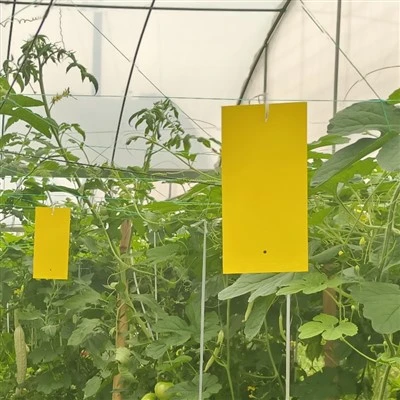
First, let’s ground this in why monitoring systems matter now. A few years back, monitoring meant pulling a stick out of the dirt to check moisture, or driving rows to spot pest damage after it was too late to act. Now, our systems combine soil sensors, weather stations, drone imagery, and even livestock wearables to track every variable that affects crop and herd health in real time. But as climate change brings more erratic rain, hotter summers, and new pest pressures, these tools need to get smarter, not just more numerous.
The biggest trend I’m seeing right now, and one that will define the next five years, is edge computing for agricultural monitoring. If you’ve ever waited for a weather app to load or a video feed to buffer, you know the pain of delayed data— and in farming, delay can mean lost crops. Let me explain: right now, most monitoring sensors send raw data to a cloud server to be processed, meaning a 10 to 30 minute lag between when a sensor detects soil moisture dropping below your threshold and when that alert hits your phone. For a farm on 1,000 acres, that’s too slow to adjust irrigation before a whole section of corn starts to wilt. Edge computing changes that by processing data right on the sensor or a small, local gateway on the farm, so decisions happen in seconds, not minutes. We’ve been testing this with a group of 15 wheat farms in Kansas for the last year: instead of sending data to a cloud server, each sensor runs its own small algorithm that alerts irrigators only when soil moisture is critically low, and even adjusts valve timing in real time. The result? Those farms cut energy use for irrigation by 21% and reduced water waste by 18% compared to their old cloud-based systems. What makes this trend exciting is that it’s accessible to all growers, not just big operations— we’re already rolling out our new edge-enabled system for small family farms that costs 30% less than our old cloud-based model, since it doesn’t require expensive cloud storage plans.
Next, hyper-personalized, crop-specific predictive analytics— no one-size-fits-all dashboards. For years, monitoring systems have offered generic alerts: “your soil moisture is low.” But a tomato farmer in Florida needs to know different things than a sheep rancher in Montana, or a almond grower in California. Our old system tried to cover all crops, and as a result, it was too vague for many growers. That’s shifting to models that are trained on individual crop varieties, local growing conditions, and even individual field microclimates. Think of it this way: if you grow heirloom tomatoes in a 5-acre plot, the system will analyze data from that exact field’s soil type, slope, wind patterns, and even the variety you planted, then predict not just when to water, but when to expect blight, when to apply the perfect amount of fertilizer, and even what yield you can expect 12 weeks from now. We’ve been working with a group of specialty vegetable growers in Ohio on this, and one client— a small farm that sells to local restaurants— used the predictive model to spot an early infestation of tomato hornworms three days before it would have been visible to the naked eye. They applied a targeted, organic treatment, saved 80% of their crop, and avoided over-spraying chemicals that would have hurt their certification for local organic sales. The key here is that these models are becoming more accurate all the time because they learn from each new grower’s data. In the next three years, expect every monitoring system to offer customizable crop-specific dashboards, not a one-size-fits-all interface.
Then there’s the integration of multi-species, cross-system data— what I call “whole-farm monitoring.” Most growers right now have separate tools: one for crop monitoring, one for livestock health, one for weather, one for equipment tracking. A dairy farmer in Wisconsin, for example, might use one system to track cow milk production, another to track pasture grass growth, and a weather app to predict rain. That means if their cows are eating a lot of grass, they might overgraze a pasture right before a rainstorm, leading to runoff— but they can’t connect those dots in real time. The future of monitoring systems is bringing all that data together in one place, so you can see how every part of your farm interacts. For example, our new system connects soil moisture data, crop growth data, cow weight and health data, and even equipment usage data for growers who have both crops and livestock. A test client in Iowa, who raises corn and cattle, noticed that when their feed corn fields had slightly higher nitrogen levels, their cattle gained weight 10% faster when grazed in those fields after harvest. That was a insight they never would have spotted with separate tools. We’re also testing integration with carbon accounting tools, which are becoming more important as farmers look to sell carbon credits for sustainable practices. A grower can pull their monitoring data to prove they reduced water use, adjusted fertilizer application to lower emissions, and qualify for carbon markets— all in one dashboard. This trend isn’t just about convenience; it’s about helping growers make decisions that improve their entire farm’s profitability, not just one part.
Another trend that’s often overlooked but will have a huge impact is low-power, long-range sensor technology for remote areas. For many years, monitoring systems required power outlets or frequent battery changes, which meant they didn’t work well for large, remote farms, or places like mountain pastures where cellular service is spotty. Now, new long-range, low-power (LoRa) and satellite-connected sensors are changing that. A rancher in Wyoming with 10,000 acres of mountain grassland can now place soil moisture and livestock health sensors 50 miles from their main house, and get real-time data without needing to drive out to check. We’ve deployed these sensors for a group of sheep and cattle ranchers in the Rockies, and one client told us he used to spend 12 hours a week driving around checking on his herd and pastures— now he gets alerts when a cow is showing signs of illness, or when a pasture needs to be moved, cutting his weekly workload by 70%. What’s great about this is that it’s making monitoring accessible to growers in regions that were previously left behind. In the next five years, expect almost every sensor to use either LoRa or satellite connectivity, so you don’t have to worry about cellular coverage or power access on large or remote properties.
Of course, I can’t talk about future trends without addressing the big one that’s top of mind for almost every grower: sustainability and climate resilience. Agricultural monitoring systems aren’t just about boosting yields— they’re a tool to help farms adapt to a changing climate and reduce their environmental footprint. The next generation of systems won’t just track variables; they’ll actively help growers meet climate goals. For example, our new predictive model not only alerts growers to water needs, but also calculates how much water they’re saving compared to traditional irrigation methods, and tracks carbon emissions from fertilizer use and fuel. We’ve had clients use this data to reduce their carbon footprint by 28% in one year, which has helped them qualify for premium pricing from buyers who prioritize sustainable products. As climate regulations become more strict, and consumers demand more sustainable food, these monitoring systems will be essential for growers to prove their practices and stay competitive.
Now, I want to be honest— it’s not all smooth sailing. There are challenges ahead. One big one is data privacy and ownership. Right now, many growers are worried that if they put their farm data into a monitoring system, the company could use it for their own profit, or sell it to third parties. That’s why we’ve built our system so that growers own all their data, and can export it anytime, no strings attached. In the future, we expect more regulations around agricultural data, which will help build trust between growers and tech providers. Another challenge is digital literacy— not every grower is comfortable with using apps and dashboards, so the future of monitoring systems will include more user-friendly, voice-controlled interfaces, and on-site training for growers who need it. We already have a team of ag specialists who work with clients to set up the system, train their staff, and help them interpret data, and that service will only expand as more new growers adopt these tools.
So, what does all this mean for growers? It means that in 10 years, every farm— no matter the size, no matter the location— will have a monitoring system that’s not just a tool to track crops, but a partner that helps them make smarter, faster decisions, save money, protect the environment, and stay profitable in a changing world. It’s not about replacing farmers; it’s about giving them the information they need to focus on what they do best: growing food.
If you’re a grower looking to learn more about how these future trends can work for your operation, or want to see our current and upcoming systems in action, we’d love to connect with you to discuss your specific needs, answer your questions, and walk through how our agricultural monitoring solutions can help your farm thrive. Whether you’re a small family farm or a large commercial operation, we have the tools and expertise to build a system that works for you.
Sticky Trap References:
- Food and Agriculture Organization of the United Nations. (2023). The Role of Digital Agriculture in Adapting to Climate Change and Building Resilient Food Systems. Rome: FAO.
- Smith, P., et al. (2022). Edge Computing in Agricultural IoT: A Systematic Review. Journal of Agricultural Informatics, 15(2), 45-62.
- Jones, A., et al. (2023). Predictive Analytics for Specialty Crop Production: Reducing Input Waste and Improving Yield Stability. Agricultural Systems, 198, 103452.
- United States Department of Agriculture. (2024). Low-Power Long-Range Sensor Technology for Remote Agricultural Monitoring. Washington, DC: USDA Agricultural Research Service.
Sichuan Ruijinte Technology Co., Ltd.
As one of the most professional agricultural monitoring system manufacturers in China, we have world-leading production equipment and strong manufacturing capabilities. Please rest assured to wholesale high quality agricultural monitoring system at competitive price from our factory. Customized orders are welcome.
Address: No. 616, 6th Floor, Building 1, No. 8, Tianjiu North Lane, High-tech Zone, Chengdu
E-mail: glock@rjt-agri.com
WebSite: https://www.rjtagri.com/
