If you’ve ever ordered a salad bowl from us, you know the best ones aren’t just a pile of greens tossed with dressing. They’re creamy, satisfying, and actually fill you up—no sad, wilted leaves or watery dressing that runs to the bottom of the bowl. As a salad bowl supplier, I’ve made my share of these over the years, and let’s be real: making a creamy salad bowl that doesn’t fall flat isn’t about piling on heavy mayo (though that works for some). It’s about balancing textures, picking the right add-ins, and using a trick or two that stops everything from getting soggy by lunchtime. Let me walk you through it, step by step, like I’m chatting with a regular at my shop. Salad Bowl
First, let’s talk base greens. A lot of people think any greens work, but that’s where mistakes start. Iceberg is crisp but bland, romaine gets soggy fast, and spinach wilts if you toss it with warm toppings. The sweet spot? Mix two or three kinds. I love using a base of baby kale and butter lettuce—kale holds up way better than other greens, and it has a subtle earthy bite that pairs with creamy stuff without overpowering it. Butter lettuce is soft, buttery, and adds that smooth contrast that makes every bite feel balanced. No need to chop either too small—leaves that are 2 to 3 inches long are perfect; they don’t get lost under toppings, and you get a nice crunch with every forkful.
Now the creamy part—this is the star, right? You can’t just slather store-bought ranch on and call it a day, though store-bought works in a pinch if you’re in a hurry. For a homemade version that’s way better, I swear by a base of Greek yogurt instead of mayo. It’s lighter, has protein, and gives that thick, creamy texture without the grease. Add a spoonful of Dijon mustard, a squeeze of lemon juice (not vinegar—too sharp), a dash of garlic powder, a pinch of salt and pepper, and a handful of fresh dill or parsley if you have it. Mix it up until it’s smooth, and if it’s too thick, add a splash of water or almond milk to loosen it up. If you’re into something richer, a little tahini works too—just mix tahini with lemon and water first so it doesn’t clump. The key here: don’t make the dressing too runny. You want it to coat each ingredient, not pool at the bottom of your bowl.
Next, the add-ins. This is where you can make the bowl your own, but there are a few rules to follow if you want it to stay creamy and not get mushy. First, separate your wet and dry toppings. Wait, that sounds weirder than it is. Wet toppings are things like cherry tomatoes (halved, so they don’t leak too much), diced avocado, pickles, and any cooked veggies like roasted sweet potato. Dry toppings are croutons, nuts, seeds, cheese, and crispy bacon. Why separate them? If you put tomatoes on your greens and pour dressing on top right away, the tomatoes get mushy, the dressing gets watered down, and your greens turn sad. Instead, build the bowl in layers: first the greens, then the wet toppings in a ring around the edge of the bowl, and the dry toppings in the middle. Then pour the dressing on the wet toppings, not directly on the greens. When you’re ready to eat, just toss it gently—no soggy croutons, no watery mess.
Let’s talk protein too, because a creamy salad bowl needs to keep you full for hours. Grilled chicken is classic, but I also love chickpeas for a plant-based option. Toss chickpeas in a little olive oil, cumin, and paprika, and bake them at 400°F for 20 minutes until they’re crispy on the outside. Add them as a dry topping, and they’ll stay crunchy even when mixed with the creamy dressing. If you’re doing chicken, shred it or cut it into bite-sized pieces, and cook it with a little garlic and lemon so it doesn’t taste bland. No one wants a bowl of dry, flavorless chicken on top of their greens.
Wait, don’t sleep on texture contrast. A creamy bowl needs something crunchy to cut through all that smoothness. Like I said, crispy chickpeas, but also toasted walnuts or pumpkin seeds. Even a few crispy onion rings work, but keep them small so they don’t overpower everything. Cheese is another good one—feta is tangy, pairs perfectly with creamy dressing, and crumbles nicely. Avoid soft cheeses like brie here; they just get mushy and mix into the dressing instead of adding a distinct bite.
Now, common mistakes I see people make all the time. Number one: dressing it too early. If you’re prepping a salad for work the next day, don’t toss everything together. Keep the dressing in a small container on the side, and when you’re ready to eat, toss just enough to coat—any longer, and the greens get soggy. Number two: overloading on wet toppings. I’ve had customers come back saying their salad was “too watery,” and 9 times out of 10, they added a whole cup of tomatoes and a whole avocado. Stick to ½ cup of wet toppings per bowl, adjust if you want, but don’t go overboard. Number three: using wilted greens. That should go without saying, but if your kale is slimy or your butter lettuce has brown edges, toss it out. No one wants to eat a creamy bowl with sad, old greens.
As a salad bowl supplier, I test these recipes all the time, and the feedback I get is that people love how the creaminess is balanced, not heavy. I recently started offering pre-portioned creamy salad kits that follow these exact rules—separate dressing, layered toppings, crispy greens—and they’ve been flying off the shelves. The biggest compliment is when customers say their salad stays good for hours after they pick it up, no sogginess, no weird textures. That’s the win, right?
If you’re making these at home, don’t be afraid to experiment. Swap the dill for basil if you want a Mediterranean vibe, add roasted broccoli instead of sweet potato, or use a different cheese like goat cheese for a tangy twist. The base is flexible, but the structure stays the same: good greens, thick creamy dressing, layered toppings, texture contrast.

Now, I want to help you take your creamy salad bowls to the next level—whether you’re making them for your family, your business, or your café. If you’re a restaurant owner or a caterer looking to add consistent, delicious creamy salad bowls to your menu, we can work together on custom solutions, bulk ingredients, and even tailored recipes that fit your brand. We’re not just a supplier—we’ve been doing this for years, so we know what works, what doesn’t, and how to make sure your customers keep coming back for more.
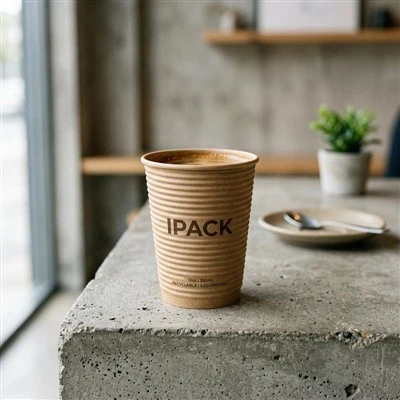
Ripple Wall Paper Cup Whether you’re a home cook perfecting your weekly meal prep or a business owner looking to upgrade your salad offerings, great creamy salad bowls don’t have to be complicated. It’s all about the little details: the right greens, the creamy dressing that doesn’t get runny, the layered toppings that stay crunchy. Trust me, once you nail this, you’ll never go back to sad, watery salads. If you’re ready to collaborate on getting the best quality ingredients for your salad bowls, we’re here to help. Reach out to us to discuss your needs, whether it’s bulk produce, prepped greens, or custom salad components—we make it easy to create amazing creamy salad bowls every single time.
References
- American Heart Association. (2023). "Healthy Salad Dressing Swaps for Creamy Favorites." Heart.org.
- U.S. Department of Agriculture. (2022). "Leafy Greens: Storage and Nutritional Value." ChooseMyPlate.gov.
- Academy of Nutrition and Dietetics. (2021). "Building a Balanced Salad for Sustained Energy." EatRight.org.
- Food and Agriculture Organization of the United Nations. (2020). "Reducing Food Waste in Fresh Produce: Best Practices for Storage." FAO.org.
- Journal of Culinary Science & Technology. (2019). "Textural Stability of Salads: Strategies to Prevent Sogginess and Maintain Mouthfeel." Volume 17, Issue 3, pp. 245–261.
Wuhan Xinyongan Industry and Trade Co., Ltd.
Address: No. 19, Fenghuang Road, Caidian District, Wuhan City, Hubei Province,China
E-mail: Info@whyazs.com
WebSite: https://www.ipackpartner.com/
