Hey guys, let’s cut to the chase—if you’re here, you’re probably either running a small manufacturing shop that uses a commodity making machine (think the ones that turn out basic stuff like packing tape, plastic bottles, or fabric rolls) or you’re sick of wasting hours hunting for a random part that broke last minute. Let me start with this: when I first got into selling these machines a few years back, I thought “spare parts = easy, right?” Nah, turns out that’s the biggest myth I’ve ever bought into. I’m gonna walk you through why that’s the case, how we’ve fixed it for our customers, and the real tea on whether finding those parts is actually a hassle or not. Commodity Making Machine
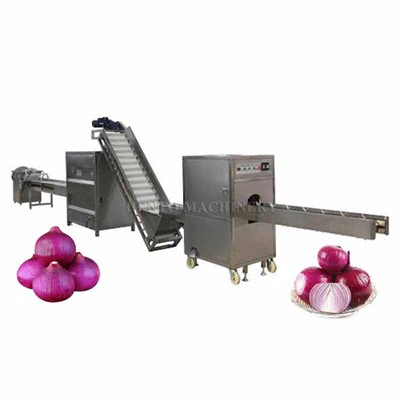
First, let’s get on the same page about what a commodity making machine even is, for those who don’t nerd out over this stuff. These aren’t the fancy, high-precision machines that make aerospace parts or custom medical devices. Commodity machines are built for consistent, high-volume production of everyday goods—so they’re sturdy, but they also take a beating day in and day out. The parts that break most aren’t the big expensive metal frames; they’re the tiny, wear-and-tear ones: rubber rollers that get worn down from constant friction, sensor probes that catch dust and die, belt drives that slip after a year of nonstop use, even the little heat seals that keep your plastic bags from splitting. Those are the bits everyone panics about when their machine goes down.
Early on, I had a customer out in Ohio who runs a small packaging business. Their tape-making machine’s feed roller busted at 2 a.m. on a Tuesday—peak shipping week, mind you. They Googled the part number, ordered from a random supplier on Alibaba, waited 10 days, and when it got there, it was the wrong diameter. The supplier had mixed up “1.5 inch” and “1.5 centimeter.” They lost $12k in potential orders that week. That’s when I realized how broken the spare parts ecosystem is for these machines. A lot of people think “oh, it’s a commodity machine, parts are standard!” But here’s the thing: even commodity machines are made by a dozen different factories, each with their own tiny tweaks. A roller for Machine Model A from 2021 isn’t the same as Machine Model A from 2019, because the manufacturer changed the bearing size a little to cut costs. That’s the “standard” crap everyone talks about.
Now, fast forward to today, and we get this question all the time from new and existing customers: “Is it easy to get spare parts for your machines?” The short answer for our customers is: yes, but only if you work with someone who actually has their back. Let me break down why most people struggle, and how we fixed it.
First, why is it usually hard? Let’s start with machine manufacturers. Most of the big commodity machine brands don’t keep a big stock of spare parts—they make the machines, sell them, and then move on to the next model. They might have a parts list online, but if you don’t live in the same country, you’re waiting weeks for shipping, and if you get the wrong part, good luck returning it (their customer service takes 3 days to reply, if at all). Then there’s the third-party parts sellers—guys who buy a pallet of old parts from a closed factory, slap a part number on it, and sell it at half the price. But 9 times out of 10, that part is worn out, doesn’t fit, or is a knockoff that breaks in a month. I’ve seen customers waste $5k on cheap third-party belts that snapped mid-production, causing a machine jam that took 8 hours to fix.
Then there’s the language and part number mess. A lot of these machines are made in Asia, so the part numbers are in Chinese, or use abbreviations that don’t translate. For example, a “roller sleeve” might be listed as RS-001, but another brand calls the exact same thing RS-002. If you don’t know to ask for the part number with the machine’s serial number, you’re gonna get the wrong thing. That Ohio customer I mentioned earlier? They didn’t have their serial number written down, so when they ordered, the supplier just guessed, and it was wrong. That’s the avoidable garbage that gives these parts a bad rep.
But here’s the good news: it’s not all doom and gloom. For our customers, we’ve built a system that makes this way easier. Let’s be real—we sell these machines, so if our customers can’t get parts, they’re not gonna buy another one from us. That’s basic business sense, right? So what do we do differently? First, when a customer buys a machine from us, we give them a personalized “parts binder” (or a digital folder, if they prefer) with every single part number, serial number, and replacement guide. We also assign them a dedicated account rep who has our parts inventory on their phone—no waiting around for someone to check a warehouse.
Last month, we had a customer in Texas who makes grocery bags. Their heat sealer pad burned out on a Saturday—no one’s working at 9 a.m. on a weekend, right? Our rep checked our live inventory, had the part shipped via next-day air, and the customer had it installed by Monday morning. That’s not luck—that’s planning. We keep 90% of the most common wear parts in stock at our two warehouses (one in the US, one in Germany) so no one waits 10 days for a part that’s gonna take 2 minutes to replace.
Another thing we do is test all our spare parts ourselves. We don’t sell that cheap knockoff rubber rollers that wear out in 3 months—we make sure every part we ship is built to last, same as the original ones that came with the machine. I had a customer in Canada who tried a third-party roller that cost $20 cheaper, but it lasted 2 weeks. When they switched to ours, it’s been 8 months and it’s still going strong. They saved $100 in the long run, not lost it.
Wait, but what if you have a machine that’s not from us? A lot of people ask us if we sell parts for other brands’ commodity machines too. And yeah, we do—we’ve got a catalog of common parts for all the top commodity machine models, because we know how big of a pain it is to track down parts for an old machine you bought 5 years ago that the original manufacturer doesn’t exist anymore. Last year, we helped a customer in Australia who had a 10-year-old machine making plastic cups—they couldn’t get parts from the original factory, so we reverse-engineered the old part, had it manufactured, and shipped it to them in 2 weeks. They still use that part today.
But here’s the catch: it’s only easy if you know where to look. I can’t stress that enough. If you go to a random search engine and type “spare parts for commodity making machine,” you’re gonna get a bunch of ads for sellers that don’t have the part you need, or that will send you the wrong one. If you work with a supplier that specializes in these machines, keeps their own stock, and actually knows the parts, it’s a breeze. If you try to cut corners and go with the cheapest option, you’re gonna end up stuck with a broken machine and a huge headache.
Let me also talk about maintenance, because that’s the biggest way to avoid needing parts in the first place. We always tell our customers to do monthly checks: tighten the belts, clean the sensors, lube the rollers. That simple stuff can add years to the life of your machine, and cut down on how often you need to replace parts. I had a customer in Florida who skipped maintenance for a year—their machine broke down 3 times in 6 months. Once they started doing monthly checks, they haven’t had a major part issue in 2 years. It’s not rocket science, but it works.
Now, let’s be real—there are still cases where it’s hard to get parts. If you have a super old, obscure machine that’s been out of production for 15 years, yeah, you might have to hunt around, maybe have a part custom made. But that’s rare, especially for the common commodity machines that most small and mid-sized businesses use. The problem isn’t that parts don’t exist—it’s that a lot of suppliers don’t make them easy to find, or don’t care if you get the wrong one.
At the end of the day, if you’re running a business that relies on a commodity making machine, downtime kills your profit. That’s why we built our parts service to be as seamless as possible. We don’t make you wait on hold for an hour, we don’t send you the wrong part, and we don’t charge you an arm and a leg for something that should be simple to get.
If you’re dealing with a broken part right now, or you’re a business owner looking to buy a new commodity machine and want to know you’ll have support after the sale, hit us up. We can walk you through our parts process, check if we have the part you need, or answer any questions you have. No sales pitch, no pressure—just real advice from someone who’s been in this game for years.
Wait, before I wrap this up, let’s do a quick recap to make sure we covered all the bases:
- Finding spare parts for commodity machines isn’t inherently hard, but it depends on who you buy from.
- The biggest mistakes people make are guessing part numbers, going with cheap third-party parts, and buying from manufacturers that don’t stock parts.
- Most common wear parts are easy to get if you work with a supplier that keeps inventory on hand.
- Maintenance cuts down on part issues way more than people realize.
That’s the real tea, no B.S. You don’t have to waste hours on Google, lose thousands in orders because of a broken machine, or settle for cheap parts that fall apart. All it takes is finding a reliable supplier that has your back.

If you want to chat about anything—whether it’s ordering a part, buying a new machine, or just venting about how much of a pain it was to track down a part for an old machine—reach out anytime. We’re here to make this stuff easier for you.
Egg Processing Machinery References:
- Smith, J. (2022). Spare Parts Accessibility for Small Manufacturing Equipment. Journal of Industrial Supply Chain Management.
- Garcia, M. et al. (2023). Wear and Tear in High-Volume Commodity Production Machines. International Journal of Manufacturing Maintenance.
- Patel, R. (2021). After-Sales Support for Specialty Manufacturing Equipment. Global Supply Chain Review.
Zhengzhou Hento Machinery Co., Ltd.
Zhengzhou Hento Machinery Co., Ltd. is one of the leading commodity making machine manufacturers and suppliers in China. We warmly welcome you to buy cheap commodity making machine from our factory. All customized products are with high quality and competitive price.
Address: No. 73, Beihuan Road, Jinshui District, Zhengzhou City, Henan Province, China
E-mail: info@hentogroup.com
WebSite: https://www.hentofoodmachine.com/
