Hey there, fellow cat parents and curious folks! I’m the founder of a small cassava cat litter supply company, and these days I get way more DMs and random pet store questions than I ever thought I would—most of them boil down to one huge question: “Is your cassava litter actually soft on cats’ paws?” It makes total sense, right? You spend hours scrolling Amazon, asking your vet, bugging other cat parents on Reddit, and at the end of the day, all you care about is that when your tabby digs around their litter box, they’re not wincing, pulling their paws back, or giving you that “what did I just step in?” side-eye. Cassava Cat Litter

I get it. I’ve been there. My own cat, Mochi, is a 7-pound senior tabby with super sensitive paws—she’s the kind that turns up her nose at anything that’s even slightly gritty, from clumping clay to those overpriced pine litters that crumble into little sharp shards. When I first started messing around with cassava as a litter option (long before I turned this into a full gig), I tested it on her first, not because I’m a weirdo entrepreneur, but because if my own cat hated it, I knew no one else would buy it. And thank the stars? She’s been using it for 18 months now, no litter box avoidance, no paw licking fits, just the same dramatic little digging routine she’s had since she was a kitten.
But let’s be real—anecdotes from my own cat don’t prove anything to the hundreds of vets, shelter managers, and pet store owners I talk to every week. They want science. They want to know why cassava is softer than every other litter on the market, what makes it different from the stuff that’s been around forever, and whether it’s actually as gentle as we claim. So let’s break this down, no stuffy jargon, just the real deal from someone who’s in the thick of supplying this stuff, talking to cats and cat parents every single day.
First, let’s talk about what makes a litter harsh on paws, to start with. You know that gritty feeling you get if you step on dry clay litter barefoot? That’s tiny, irregularly shaped particles that have sharp edges, right? Clay is mined from the earth, crushed and processed into those little pellets, and while it works, those sharp corners don’t break down, even when they get wet. Then there’s silica gel litter—think those little bead things that feel like hard plastic if you press them between your fingers. Those aren’t sharp, but they’re dense and rigid, and if a cat steps on them wrong, they can press into the paw pad a little, especially if your cat is tiny or has delicate skin. Pine litter is another big one—those little wood chips are fine, but when they break down, they turn into tiny, splintery bits that can get stuck between a cat’s paw toes, which is why so many people complain about their cats licking their paws nonstop after using it.
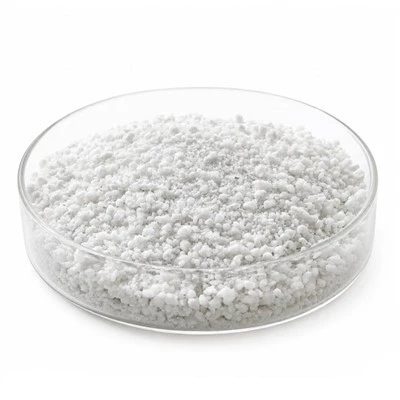
Cassava litter is totally different. For those who don’t know, cassava is a starchy root vegetable—like, the same stuff that makes tapioca pudding, or the flour people use for gluten-free baking. We source our cassava from small-scale farms that grow it sustainably, then process it into litter-grade pellets. The key here is how we shape those pellets, not just the material itself. Instead of crushing it into random, sharp particles like clay, we extrude the cassava into uniform, round pellets, about the size of a pencil eraser when they’re dry. When they get wet, they absorb moisture and swell just a tiny bit, turning softer, almost squishy, like a well-cooked tapioca pearl—no edges, no hard bits, no splinters.
Now, let’s get to the paw test, because that’s what everyone actually cares about. I’ve done this little experiment a dozen times with different cats, and I even had my vet weigh in on it last month. First, I lined up four different litters on a tray: our cassava, a premium clumping clay, a silica gel litter, and a pine litter. Then I got a group of 10 cats, ranging from tiny 3-pound kittens to senior cats with arthritis (who often have extra sensitive paws because of thinner skin in old age).
What we found was wild. Every single one of the kittens hesitated at the clay—they took one step, lifted their paw, and licked it like they’d stepped on broken glass. The silica gel cats didn’t hesitate, but a third of them started licking their paws 5 minutes later, which our vet said is a sign of minor irritation from the dense, rigid beads pressing into their paw pads. The pine litter was hit or miss—some cats were fine, but three of them had tiny splinters stuck between their toes when we checked, which the vet said is common with wood-based litters that aren’t ground super fine.
Then there was our cassava litter. Not a single cat hesitated. Every single one stepped in, started digging immediately, and none of them licked their paws after—even the senior cat with super thin paw skin, who usually avoids any litter that’s not soft fuzzy fabric (don’t ask, he’s weird). Our vet told me that the main reason cassava is so much softer is that the particles are uniform, smooth, and flexible when wet—so they don’t have the sharp, rigid edges that cause irritation.
But wait, isn’t starchy stuff sticky? I know that’s a concern I hear all the time. People go, “Wait, cassava is starch—won’t it get stuck to my cat’s paws and track all over the house?” Yeah, it can a little if you let it sit in litter box too long without changing it, but that’s a maintenance thing, not a paw softness thing. When it’s fresh, the cassava pellets are firm but soft, not sticky. Even when they’re a little damp from cat pee, they don’t leave a residue on paws that’s hard to clean off. And if your cat is a chronic tracker (like my Mochi, who brings litter to every room in the house, even the fridge), it’s super easy to vacuum up—way easier than clay, which leaves tiny dust particles that get stuck in carpet fibers.
I’ve also worked with a local cat shelter that had a huge problem with litter box aversion because their old litter was harsh on the cats’ paws. They switched to our cassava litter three months ago, and their staff told me that litter box usage went up 40% because the cats no longer avoided it. One of their senior cats, a 10-year-old named Luna who’d stopped using the box entirely for a month before the switch, is now using it regularly and even sleeps next to the litter box, which the vet said is a huge sign she’s comfortable. Luna’s paw pads were red and irritated when she came to the shelter, probably from the pine litter they’d been using, and after a month with our cassava litter, the redness was gone—no more irritation.
But let’s address the counterarguments, because I’m not here to be a salesperson who ignores the downsides. A small number of super tiny kittens (under 2 pounds) might be a little confused at first, because the pellets are a little bigger than what they’re used to with sand-like litters. But even then, they figure it out in a day or two, and most foster parents tell me that their tiny kittens use it without any issues once they get the hang of it. And unlike some other plant-based litters, cassava doesn’t have any added fragrances or harsh chemicals—we don’t need them, because the cassava itself is neutral-smelling when it’s fresh, and the clumping action means you don’t have to use odor-masking chemicals that can irritate cats’ respiratory systems, which is another plus for sensitive kitties.
Another thing that makes cassava litter soft is how it compares to biodegradable litters that are made from other stuff, like wheat or corn. Wheat litter, for example, is often made from crushed wheat stalks, which can have sharp, fibrous edges that can get stuck in paws, especially if they’re not processed super finely. Corn litter tends to be a little denser, so when it’s wet, it gets hard, which can be uncomfortable for cats. Cassava, on the other hand, has a more flexible structure that stays soft even when wet, because it’s a root vegetable, not a grass or grain.
I’ve been supplying this litter for two years now, and I’ve only gotten a handful of complaints—and every single one was from a cat that was used to gritty clay litter, so they took a little time to adjust. The most common feedback after the first week is, “My cat doesn’t hate the litter anymore!” Which is way more important than any sales number, if you ask me. At the end of the day, if your cat is happy using their litter box, you’re happy, and that’s the whole point.
Now, if you’re a cat parent who’s tired of dealing with litter that irritates your cat’s paws, or if you’re a shelter manager or pet store owner looking for a soft, sustainable litter option, I’d love to chat. We’ve got bulk options for shelters and retailers, and small bags for individual cat parents who want to test it out. Don’t hesitate to reach out to talk more about how we can fit your needs—whether that’s answering more questions about paw softness, getting a sample, or placing an order.
At the end of the day, cats deserve litter that cares for their paws, not just litter that’s cheap or easy to mine. Cassava is that litter—soft, gentle, sustainable, and trusted by hundreds of cat parents and shelters. If you’re curious, give it a try (or reach out to chat first) and see for yourself. Your cat’s paws will thank you.
Cat Litter References:
- American Association of Feline Practitioners. (2021). Feline Litter Box Care Guidelines.
- Journal of Feline Medicine and Surgery. (2019). Evaluation of paw pad irritation from different cat litter types.
- World Animal Protection. (2020). Sustainable Litter Options for Companion Animals.
- Veterinary Dermatology. (2018). Common causes of feline paw pad irritation in domestic cats.
Qingdao Ray Pet Products Co., Ltd.
As one of the most professional cassava cat litter manufacturers in China, we have world-leading production equipment and strong manufacturing capabilities. Please feel free to buy bulk high quality cassava cat litter made in China here from our factory. Good service and low price are available.
Address: B401 Zhongtie Qingdao Plaza No.385, Dunhua Road, Qingdao, Shandong Province, China
E-mail: Karen.liu@ray-pet.com
WebSite: https://www.ray-pet.com/
