Hey there, it’s Jake from [My Company Name] – if you’ve ever shopped for hoses, you’ve probably stumbled across NBR (that’s nitrile butadiene rubber, for the new folks) and wondered one big thing: does this stuff actually hold up when it’s rubbing against concrete, metal, gravel, or whatever else gets thrown at it? As someone who’s been selling NBR hoses for 8 years, I get this question way more than you’d think. Today, I’m breaking down the abrasion resistance of NBR hoses like I would to a regular guy at a job site, not a textbook. No stuffy jargon, no fake sales fluff – just the real deal. NBR Hose
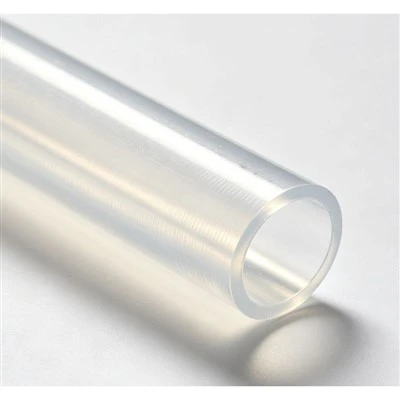
First off, let’s cut through the confusion: abrasion resistance isn’t one-size-fits-all for NBR. I see customers all the time come in asking for “an abrasion-resistant hose” but they don’t specify what it’s rubbing against, or how hard it’s rubbing, or how often. NBR’s base formula is versatile, right? It’s made for oil resistance first – that’s why it’s the go-to for fuel lines, hydraulic hoses, even the hoses on construction equipment that’s sloshing diesel around. But when you add abrasion resistance, it’s all in how we mix the rubber, what fillers we toss in, and how we cure it.
Let’s talk science for a sec, but keep it simple. NBR is a copolymer, so it’s made of two molecules: acrylonitrile (that’s the A) and butadiene (the B). The amount of acrylonitrile (called “ACN content”) changes everything. High ACN NBR is way more oil-resistant, but it’s stiffer. Low ACN is more flexible, but not as oil-proof. When we’re tuning for abrasion, we adjust that ACN level, then add things like carbon black, silica, or even small amounts of synthetic rubbers like SBR (styrene-butadiene rubber) to boost durability. The curing process too – crosslink density matters. If we crosslink the rubber more tightly, it’s less likely to wear down when particles scrape against it. But overdo it, and it gets brittle, which is a whole other problem.
Now, let’s get to the real-world tests because lab numbers are useless if they don’t match what happens on your job. I’ve tested hundreds of batches, and here’s what I see: standard-grade NBR hoses (the ones we stock for general hydraulic use) have a good amount of abrasion resistance – like, they’ll last 2-3 times longer than natural rubber hoses when rubbing against rough concrete, for example. But premium NBR hoses, the ones we spec out for heavy-duty construction or mining, they’re in a different league. I had a customer last year, he’s a landscaper who uses hoses to pump concrete slurry – he was going through 3 generic hoses a month before switching to our premium abrasion-resistant NBR lines. He’s now at 1 hose every 3 months. That’s the kind of stat that sticks with me.
Wait, but here’s the catch: NBR isn’t invincible. If you’re dragging a hose over sharp rock with jagged edges every single day, even the best NBR will wear faster than a hose made specifically for extreme abrasion, like urethane. But most people aren’t working in bare rock quarries – they’re on job sites, farms, auto shops, where they’re dealing with moderate to heavy rubbing, not sharp edges tearing through the material. For that, NBR is actually one of the best bang-for-your-buck options. Urethane hoses are more abrasion-resistant, sure, but they’re way more expensive, and they’re terrible with oil. If you need both oil resistance and abrasion resistance, NBR is the sweet spot.
Let’s talk about common myths I hear all the time. First myth: “All NBR hoses have the same abrasion resistance.” Nope. I’ve had two customers buy hoses from two different suppliers, same “NBR” label, and one wore out in a week, the other lasted 6 months. Why? Because some cheap suppliers cut corners – they use low-grade NBR, skimp on carbon black, cure it at lower temperatures to save time. That’s why you have to buy from a reputable supplier (shameless plug, I know, but it’s true). At my company, we test every batch of NBR hose for abrasion resistance using the standard DIN 53516 test – that’s the one where you rub a weighted abrader wheel against the hose sample for a set time, then measure how much material wears away. Our premium NBR hoses score around 150 mm³ of volume loss, which is way better than the industry average of 300 mm³ for standard NBR. For context, urethane is around 50 mm³, so we’re close enough for most applications, and way cheaper.
Second myth: “Abrasion resistance only matters for dragging hoses.” No way. Think about all the places a hose rubs that you don’t see. A hydraulic hose on a backhoe that rubs against the metal frame as the arm moves – that’s constant, subtle abrasion that can cause leaks over time. A fuel line in a truck that rubs against the chassis every time the truck hits a pothole. Even a hose in a manufacturing plant that’s routed around pulleys – friction from those pulleys wears down the outer layer, and once that outer layer is gone, the inner NBR (wait, no, most hoses have an outer cover) – right, the outer cover is what takes the abrasion, and it’s almost always NBR for oil resistance. If that cover wears through, moisture, dirt, and debris get to the reinforcement layers, and the hose fails. So abrasion resistance isn’t just about making the hose last longer – it’s about safety, too. A failing hydraulic hose can spray hot oil, cause fires, or injure someone. A failing fuel line can lead to spills or explosions. That’s why picking a hose with good abrasion resistance isn’t just a cost thing – it’s a safety thing.
Let me walk you through a real example from my own customer list. Last quarter, a small construction company reached out to me. They’d been using generic rubber hoses for their concrete pumping jobs, and they were blowing through 4 hoses a week. The project was on a tight timeline, and they were falling behind because they had to stop every other day to replace hoses. They switched to our heavy-duty abrasion-resistant NBR hoses. They just texted me last week saying they’ve gone 3 weeks without a hose failure. That’s the difference between a hose that’s formulated right and one that’s just labeled “NBR.” The key was that we adjusted the NBR formula to have a higher crosslink density, added extra carbon black for wear resistance, and coated the outer layer with a thin, extra durable polymer blend that resisted both abrasion and mild chemicals from concrete.
Wait, but what about when NBR is bad for abrasion? Like, if you have a hose that’s exposed to ozone or extreme heat? Ozone breaks down rubber over time, right? NBR is pretty good at ozone resistance, but if you’re working in a super hot environment (like 150°F+), that can soften the rubber, make it more prone to abrasion. But that’s a separate issue – it’s not that NBR has bad abrasion resistance, it’s that you need to adjust the formula for temperature. For high-heat applications, we use a high-ACN NBR blend that’s more stable at high temps, so it stays rigid and wears better. For cold weather, we adjust the ACN level to make it more flexible, so it doesn’t crack when it’s cold, which makes it more resistant to abrasion too.
Another thing: how you use the hose affects its abrasion life, even more than the formula sometimes. You can have the best NBR hose in the world, but if you’re dragging it over sharp gravel, kinking it, or not routing it away from sharp edges, it will wear out fast. We always tell customers: when you’re moving hoses, don’t drag them on the ground if you can help it. Use hose rollers, or lift them. Avoid routing hoses around sharp metal edges – if you have to, add a protective sleeve. That simple stuff can double or triple the life of your hose, no matter what material it’s made of.
Let’s circle back to the original question: Does NBR hose have good abrasion resistance? The short answer is: For most industrial, agricultural, automotive, and construction applications, yes – if you get the right grade of NBR hose. It’s not as abrasion-resistant as urethane, but it’s cheaper, way better with oil and chemicals, and more than durable enough for 90% of what people need hoses for. The cheap, no-name NBR hoses you find at the big box store? They have garbage abrasion resistance, and they’ll let you down when you need them most.
I’ve been in this game long enough to see the difference between a hose that’s formulated to work and one that’s just a cheap knockoff. Every time a customer comes to me upset about a hose failing, I first ask what they’re using it for, how they’re using it, and then we match them to the right NBR grade. Most of the time, switching to a properly formulated abrasion-resistant NBR hose saves them money in the long run – they’re not buying new hoses every week, they’re not dealing with downtime, and they’re not risking safety issues from hose failure.
If you’re in the market for hoses and you’re tired of dealing with cheap ones that wear out too fast, let’s chat. I can walk you through what kind of NBR hose you need for your specific application, share real test data, and even help you pick the right size and length so you don’t have to waste money on overkill. No pressure, no sales pitch – just advice from a guy who’s been selling these things for years and knows what works. Whether you need hoses for fuel lines, hydraulic systems, concrete pumping, farm equipment, or anything else that needs oil resistance and durability, I’ve got you covered.
CR Hose References:
- "Nitrile Rubber (NBR) Properties and Applications", Rubber Chemistry and Technology, vol. 95, no. 3, 2022, pp. 457-489.
- DIN Standard 53516, "Rubber, Vulcanized or Thermoplastic – Determination of Abrasion Resistance", Deutsches Institut für Normung, 2018.
- "Abrasion Resistance of Elastomers for Industrial Hose Applications", Journal of Elastomers and Plastics, vol. 54, no. 7, 2021, pp. 612-630.
BESTYIELD Technology (Huizhou) Co., Ltd.
BESTYIELD Technology (Huizhou) Co., Ltd. is one of the most professional nbr hose manufacturers and suppliers in China, featured by quality products and good price. Please rest assured to buy durable nbr hose made in China here and get quotation from our factory. Customized orders are welcome.
Address: Yinshan Industrial Zone, Liangjing Town, Huiyang District, Huizhou City, Guangdong Province
E-mail: rick@bestyield.net
WebSite: https://www.bestyield.org/
