If you’ve ever lifted a plastic bucket, carried a grocery bag, or hauled a storage bin, you’ve relied on a plastic handle without even stopping to think about it. For 12 years, I’ve run a company that manufactures and supplies plastic handles—so I’ve seen firsthand how the wrong handle type can turn a simple task into a frustrating one, and how the right one can make a product feel intentionally designed. A lot of clients come to me assuming all plastic handles are the same, but nothing could be further from the truth. Each type is engineered for a specific use case, made from different materials, and built to meet distinct durability, cost, and ergonomics needs. Today, I’m breaking down the most common types of plastic handles I supply, how to tell them apart, and which one works best for your next product line. Plastic Handle
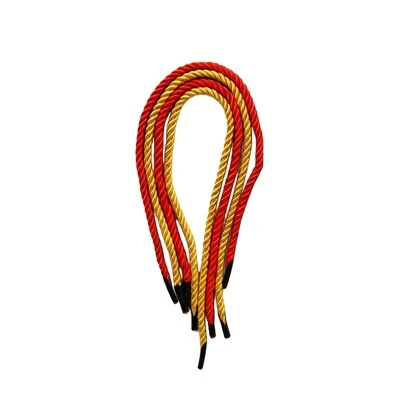
First, let’s talk about why plastic handles are so widely used in the first place. Unlike metal handles, they’re lightweight, resistant to rust and corrosion, moldable into almost any shape, and far cheaper to produce in large volumes. That makes them a go-to for everything from cleaning supplies and furniture to industrial drums and consumer packaging. But their performance depends entirely on their design and material, which is where the different types start to diverge.
One of the most ubiquitous types I sell is the Injection-Molded Plastic Handle. This is the workhorse of the industry, used across consumer and commercial products alike. The process of injection molding involves melting plastic resin—most commonly polypropylene (PP) or high-density polyethylene (HDPE)—injecting it into a steel mold shaped to the exact specifications of the handle, then cooling and trimming the final product. What makes these handles so versatile is that they can be molded with intricate details: some have curved grips to reduce hand strain, others have built-in locking mechanisms to stay attached to containers, and even some with textured surfaces for extra slip resistance when hands are wet or gloved. I supply these for everything from 5-gallon buckets and laundry bins to toolboxes and kitchen storage containers. The key advantage here is consistency: every injection-molded handle is identical, which is critical for assembly lines that count on uniform parts. They’re also relatively low-cost compared to other types, making them ideal for high-volume production runs. That said, they’re not indestructible—while HDPE handles are tough enough for heavy-duty use, thin injection-molded handles can snap if overloaded, so I always advise clients to calculate the maximum weight their product will carry before choosing a thickness.
Next, there are Flexographic Plastic Handles, often called bag handles, which you’ll find on almost every retail shopping bag, garbage bag, and produce bag. These are different from injection-molded handles in two big ways: they’re thin, flexible, and designed to be attached to open bags rather than rigid containers. Most flexographic handles are made from flat, narrow strips of PP or low-density polyethylene (LDPE), and they’re manufactured using a process that aligns with flexographic printing, hence the name. Unlike rigid handles, these are meant to stretch slightly to distribute weight across the bag, so they don’t dig into your hands when you’re carrying a full load of groceries. What clients love about these is their customizability: I can print your brand logo directly onto the handle during production, turning a plain carry tool into a walking advertisement. They’re also extremely lightweight, which helps keep shipping costs low for retail bags. The downside? They’re not designed for heavy loads—most can only support 10 to 15 pounds, so they’re a poor choice for industrial containers or large storage bins. I only recommend flexographic handles for lightweight, single-use or low-weight retail applications.
For products that need a handle that can stand up to heavy use, look no further than Reinforced Plastic Handles, also called heavy-duty plastic handles. These are the workhorses for industrial drums, construction buckets, and commercial storage tanks, where a handle has to hold 50, 100, or even more pounds. The secret to their strength is the addition of a reinforcing material, usually a metal insert (like steel or aluminum) embedded inside the plastic during molding. The plastic itself is still PP or HDPE, but the metal core prevents the handle from bending or snapping under extreme weight. I also supply reinforced handles that use fiberglass reinforcement instead of metal, which is ideal for products where corrosion is a risk—like marine containers or chemical storage drums, where metal inserts could rust and contaminate the contents. These handles are thicker and sturdier than standard injection-molded handles, with a wider grip area to make heavy loads easier to carry. They’re a bit more expensive than regular plastic handles, but for industrial clients, the tradeoff is worth it: a reinforced handle will last the entire lifespan of the product, rather than breaking after a few uses. I once had a construction client come to me after switching from standard injection-molded handles on their 5-gallon pails—they’d been having 12% return rates due to snapped handles, and switching to reinforced ones cut that rate to less than 1%, saving them thousands in replacement costs and customer satisfaction hits.
Another type I specialize in is Wire-Insert Plastic Handles, often used for bottles and jugs, especially in the beverage, cleaning, and personal care industries. These handles are made by molding a plastic grip around a curved steel wire, which acts as the attachment point to the container. The plastic grip is usually textured for ergonomics, while the wire is bent to fit the neck or handle slots on a plastic jug or bottle. What’s clever about these is that the wire allows the handle to pivot, so it doesn’t put unnecessary stress on the bottle when it’s being carried. For example, a 1-gallon plastic water jug can be heavy when full, and a non-pivoting handle could pull away from the jug if the load is unevenly distributed. The pivot from the wire insert evenly distributes the weight, making the jug far easier to carry. I also supply wire-insert handles with coated wires, which prevents the metal from scratching the bottle or corroding, which is important for products that are stored for long periods. These handles are popular with small-scale consumer brands because they’re easy to attach to blow-molded bottles on assembly lines, and they offer a good balance of strength and ergonomics.
Then there are Foldable Plastic Handles, a relatively newer type designed for products where space is at a premium—like collapsible storage bins, folding laundry baskets, and portable coolers. These handles are made from rigid PP, but they’re hinged so they can fold flat against the product when not in use. That’s a huge benefit for storage: a collapsible bin with a folded handle takes up almost 50% less space when stacked, which reduces warehousing and shipping costs for retailers and distributors. I’ve seen them used on everything from outdoor furniture cushions to pet food containers, where a handle is needed for transport but not for long-term storage. The hinge is usually a small, molded joint, and I design mine with reinforced hinge points to prevent them from breaking after repeated folding. One of my recent clients is a outdoor gear brand that uses foldable handles on their portable coolers—they told me that the flat-stacking design made it possible to fit 20% more coolers onto each shipping pallet, cutting their logistics costs by $12,000 in the first year. The only caveat with foldable handles is that they’re not ideal for extremely heavy loads—most are rated for 25 to 30 pounds, so they’re best for portable, not industrial, products.
I also want to mention Custom Molded Plastic Handles, because one size doesn’t fit all when it comes to unique products. A lot of clients come to me with a specific vision: maybe they need a handle that blends seamlessly with the design of a new furniture line, or a handle shaped to fit the smaller hands of children’s storage bins. Custom handles can be molded in any shape, color, and size, with custom locking mechanisms, logo printing, or even special material blends for extreme environments (like handles resistant to UV light for outdoor products, or handles made from recycled plastic for eco-focused brands). I work with clients to design the mold, test the handle for strength and durability, and produce it in large volumes once the design is finalized. For small-batch brands or startups, custom handles might seem like a big investment, but in my experience, it’s worth it to create a product that stands out from competitors. I once worked with a startup that made organic pet food—their custom handles were shaped like animal bones, and the custom green color matched their packaging, making their 5-pound pet food bags easily recognizable on store shelves. They told me that the unique handles were a major reason their brand grew 30% in their first year.
Now, let’s talk about a few factors that matter when choosing a plastic handle, no matter which type you pick. First is load capacity: always know the maximum weight your handle needs to support, and add a 20% buffer—plastic handles stretch and weaken over time, so a handle rated for 50 pounds will last longer if you only put 40 pounds on it. Second is ergonomics: if your product will be carried for long periods, a wide, curved grip will reduce hand strain. If it’s for industrial use where users wear work gloves, a textured grip will prevent slipping. Third is material: PP is stiff and heat-resistant, making it good for products that go through dishwashers or autoclaving (like cleaning buckets for restaurants). HDPE is more flexible and impact-resistant, perfect for products that get dropped or banged around. LDPE is softer and stretchy, so it’s great for flexographic bag handles. Finally, consider your brand: handles with logo printing or custom shapes can turn a functional part into a marketing tool, which is a huge advantage for retail brands.
Over the years, I’ve learned that the best handle isn’t always the most expensive—it’s the one that fits your product’s needs, budget, and brand goals. Too often, I see clients pick the cheapest injection-molded handle only to have it break under the weight of their product, or choose an industrial reinforced handle for a retail bag, adding unnecessary cost that cuts into their profit margins. That’s why I always take the time to ask clients about their product, its intended use, and their production goals before recommending a handle type.
If you’re in the market for plastic handles—whether you need standard injection-molded handles for 5-gallon buckets, custom foldable handles for a new product line, or heavy-duty reinforced handles for industrial drums—reach out to discuss your requirements. I work with small startups and large corporations alike, and I can help you find a handle that’s durable, cost-effective, and tailored to your exact needs. Let’s collaborate to make sure your product has the right handle for the job.
3 Strand Rope References
- Plastic Industry Association. (2022). Handbook of Plastic Packaging Components.
- International Organization for Standardization. (2021). ISO 12048:2021 Plastics – Determination of tensile properties of molded and extruded plastics.
- American Society of Mechanical Engineers. (2020). Design Guidelines for Reinforced Plastic Handles.
- Consumer Goods Technology Association. (2023). Ergonomic Design for Plastic Product Components.
Tengzhou Fujin Plastic Products Co., Ltd.
As one of the most professional plastic handle manufacturers and suppliers in China, we also support customized service. With abundant experience, we warmly welcome you to buy bulk plastic handle made in China here and get pricelist from our factory. For price consultation, contact us.
Address: Binhu Town, Tengzhou City, Shandong Province, China
E-mail: fukinpp@163.com
WebSite: https://www.tzfujin.com/
